
Most dogs vomit at some point, and a single episode does not always mean something serious is wrong. However, dog vomiting can also be a sign of an illness, poisoning, intestinal blockage, or another problem that needs veterinary care.
At Oak Creek Small Animal Clinic in Sedona, we know it is not always easy to tell whether vomiting is something you can watch at home or a reason to call us. How often your dog vomits and whether other symptoms or changes in behavior are present can help determine what to do next.
Is Your Dog Vomiting or Regurgitating?
Vomiting and regurgitation can look similar, but they are different processes. Cornell University College of Veterinary Medicine explains that vomiting typically involves retching, while regurgitation does not.
Vomiting is an active process. Your dog may appear nauseated, drool, lick their lips, retch, or have noticeable abdominal contractions.
Regurgitation tends to happen suddenly and with little effort. Food or liquid comes back up from the esophagus and often contains undigested food.
If you are not sure which is happening, take a short video if you can do so safely. Showing our team what you are seeing can be helpful.
Common Reasons Dogs Vomit
Dogs can vomit for many reasons, including:
- Eating spoiled food, garbage, table scraps, or something that irritates the stomach
- Changing foods too quickly
- Eating too much or too quickly
- Intestinal parasites or gastrointestinal infections
- Food sensitivities
- Pancreatitis
- Certain medications or toxins
- Swallowing a foreign object
- Kidney or liver disease
- Other underlying illnesses
At Oak Creek Small Animal Clinic, we look at more than the vomiting itself. We also consider how often your dog is vomiting, whether they are eating and drinking normally, changes in their energy level, and any other symptoms they may be experiencing.
What Does Your Dog’s Vomit Look Like?
The appearance of your dog’s vomit can provide useful information, although color alone cannot tell you what is causing the problem.
Yellow vomit or bile: Yellow liquid or foam is often bile. Dogs sometimes vomit bile when their stomach is empty, but repeated vomiting of yellow bile can have other causes.
White foam: White, foamy vomit can occur when the stomach is empty or irritated, but it can also occur with a variety of medical problems.
Undigested food: If food comes up without retching or abdominal contractions, your dog may actually be regurgitating rather than vomiting.
Clear liquid: Clear vomit may contain water, saliva, or stomach fluid. Being unable to keep water down is more concerning because dehydration can develop.
Blood: Bright red blood or dark material that resembles coffee grounds can indicate bleeding in the digestive tract and needs veterinary attention.
You do not need to determine what the appearance means on your own. Describe what you have noticed as best you can. A photo can also give our team useful information.
When Should You Call Oak Creek Small Animal Clinic About Dog Vomiting?
If you are wondering when to worry about dog vomiting, how often your dog is vomiting and how they are feeling otherwise are important.
Contact Oak Creek Small Animal Clinic if your dog:
- Vomits more than twice within 24 hours
- Continues vomiting into the next day
- Cannot keep food or water down
- Stops eating or drinking
- Has diarrhea along with the vomiting
- Seems unusually tired, weak, or uncomfortable
- Has other noticeable changes in behavior or health
Puppies, senior dogs, and dogs with existing medical conditions may need veterinary attention sooner because they can be more vulnerable to dehydration and complications.
These are guidelines, and every dog and situation is different. If you are unsure whether your dog needs to be seen, it is always best to call us for guidance. Oak Creek Small Animal Clinic offers urgent care services for vomiting, diarrhea, sudden appetite changes, and other time-sensitive concerns.
When Is Dog Vomiting an Emergency?
Some signs that occur with vomiting can indicate a serious or potentially life-threatening problem that requires immediate veterinary care.
Repeated attempts to vomit without producing anything, particularly with a swollen or painful abdomen, can be a sign of gastric dilatation-volvulus (GDV), commonly called bloat. GDV is a life-threatening emergency.
Seek immediate veterinary care if you suspect your dog has swallowed a foreign object that could become lodged in the digestive tract. An intestinal obstruction can become life-threatening.
Do not wait for symptoms to develop if you know or suspect your dog has consumed something toxic. Contact Oak Creek Small Animal Clinic or a pet poison service for instructions.
Collapse, severe weakness, significant abdominal pain, difficulty breathing, or a large amount of blood in the vomit are also reasons to seek immediate veterinary care.
Halloween Hazards Can Cause Vomiting and More Serious Problems
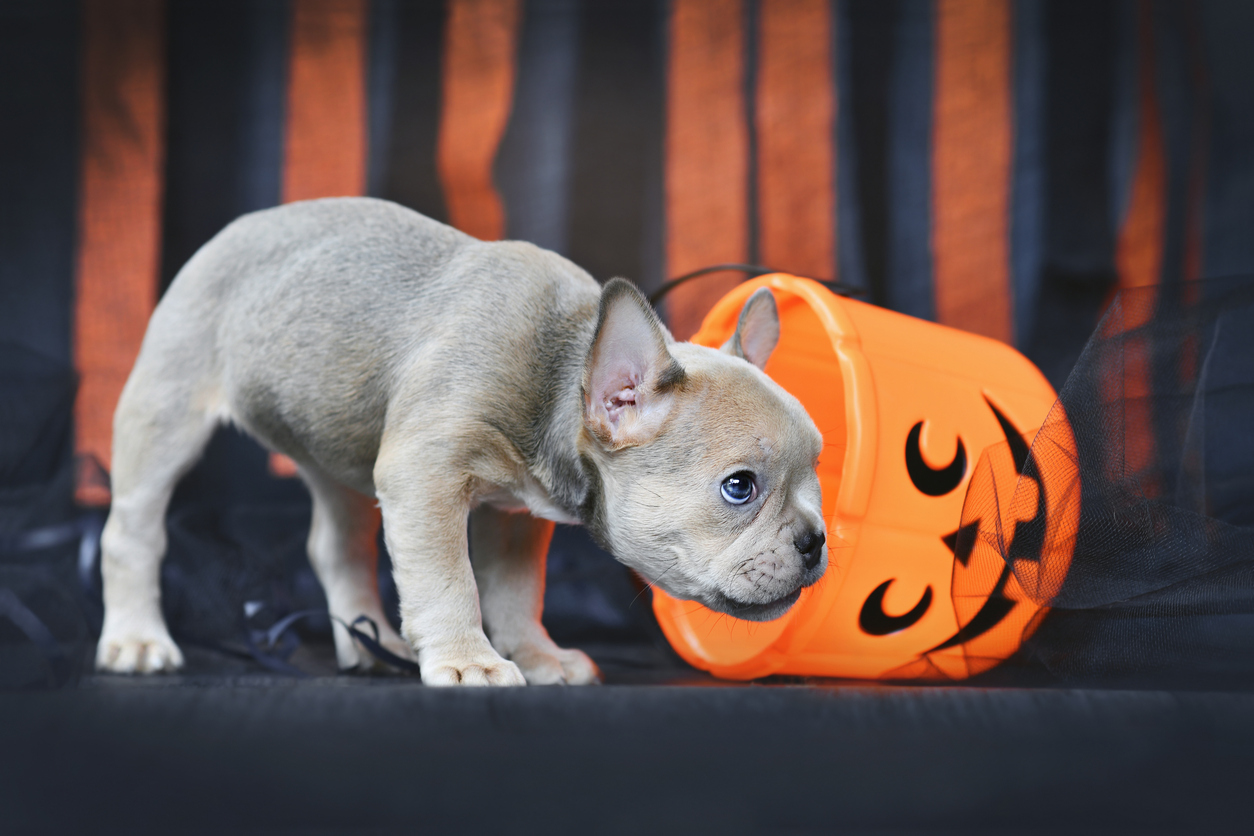
October brings some additional risks for dogs. Halloween candy, party foods, discarded wrappers, decorations, and costume pieces can create potential problems.
Chocolate can cause vomiting and diarrhea as well as more serious effects. Sugar-free candy and gum may contain xylitol, which is highly toxic to dogs. Raisins can cause kidney injury, while rich or fatty foods can contribute to gastrointestinal upset or pancreatitis. Pet Poison Helpline provides additional information about Halloween hazards for pets.
Wrappers and other packaging can also cause intestinal obstruction if swallowed.
If you know or suspect that your dog has eaten something potentially toxic, do not wait for symptoms to appear. If possible, keep the package or ingredient information available when you call. Even if you do not know exactly how much your dog ate, tell us what you know as best you can.
How We Find the Cause of Dog Vomiting
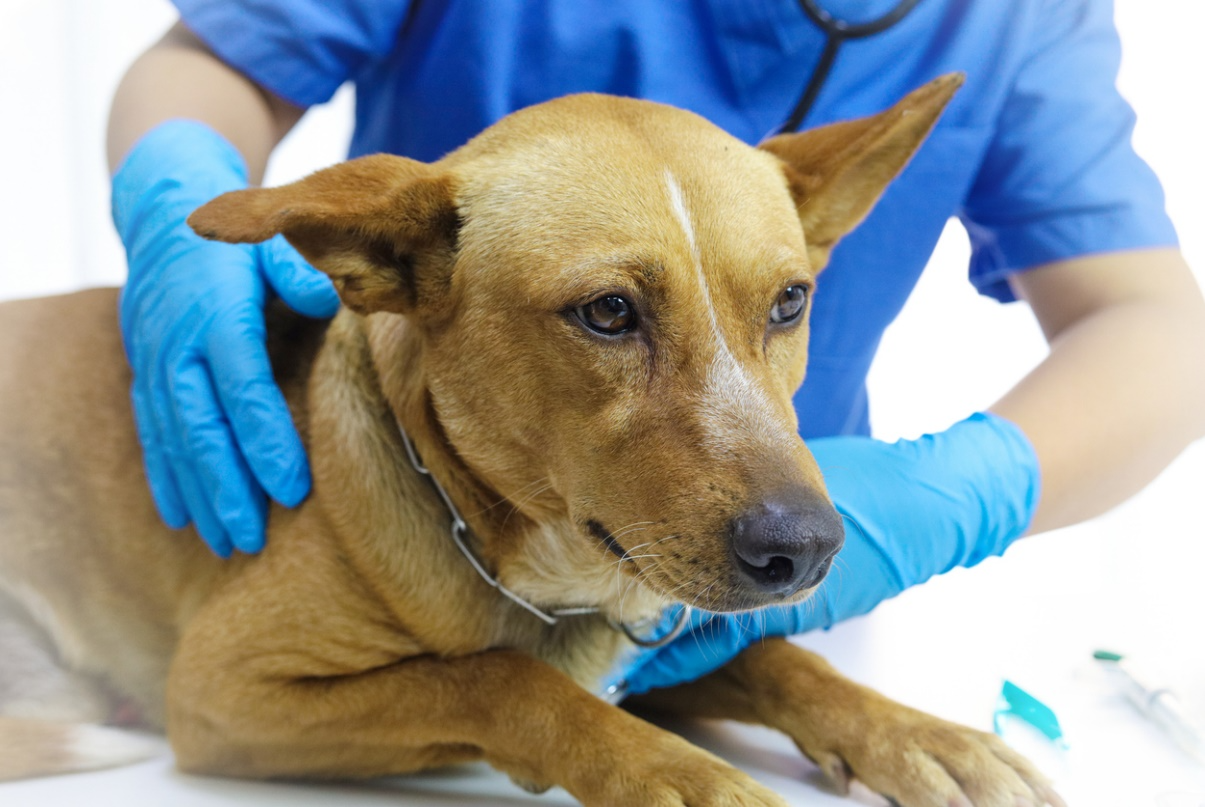
When your dog comes to Oak Creek Small Animal Clinic, we will start with a physical examination and the information you are able to give us. Depending on your dog’s symptoms, testing may include bloodwork, urinalysis, fecal testing, X-rays, or ultrasound. Our internal medicine services include diagnosing and treating gastrointestinal disorders such as vomiting and diarrhea.
Not every dog that vomits needs extensive testing. What we recommend will depend on your dog’s symptoms, medical history, and physical examination.
Treating Dog Vomiting Depends on the Cause
Treatment depends on why your dog is vomiting. It may include fluids, medication to control nausea or vomiting, dietary changes, or treatment for an underlying illness. A foreign object or other serious gastrointestinal problem may require more intensive treatment or surgery.
Do not give your dog any medication or induce vomiting without first consulting Oak Creek Small Animal Clinic or a pet poison professional. Whether vomiting should be induced depends on what your dog has ingested and their current condition. Inducing vomiting when it is not appropriate can cause additional harm.
When You Are Concerned About Your Dog, Call Us
Repeated vomiting or vomiting accompanied by other symptoms deserves attention. You know what is normal for your dog, so changes in appetite, energy, behavior, or drinking can also be important.
If your dog is vomiting and you are not sure what to do, call Oak Creek Small Animal Clinic in Sedona. Tell us what you have noticed as best you can, and our team can help you determine the appropriate next step.