

Traveling with your dog or cat may require more preparation than you expect. Depending on your destination, you may need a veterinary health certificate, specific vaccinations, laboratory testing, or government-approved documentation. Some requirements must be completed several months before departure.
Whether traveling within the United States or internationally, pet owners should check the requirements for both their destination and their return trip. Individual states have their own animal entry regulations, while pets returning from another country must also meet applicable U.S. federal import requirements. Some documentation must be arranged before leaving home.
Failing to meet these requirements can have serious consequences. Your pet may be denied entry, placed in quarantine, or required to return to the country of departure.
At Oak Creek Small Animal Clinic in Sedona, we help pet owners prepare for interstate and international travel by providing veterinary examinations, vaccinations, testing, and health certificates. We partner with Petsfly, a pet travel documentation service that helps clients navigate destination-specific requirements and deadlines.
Understanding the requirements for both your departure and return can help you avoid unexpected complications when traveling with your pet.
What Is a Pet Health Certificate for Travel?
A veterinary health certificate, sometimes called a Certificate of Veterinary Inspection (CVI), is an official document completed by a veterinarian to confirm that a pet meets specified health requirements for travel.
Depending on the destination, the certificate may include:
- Your pet’s identifying information, including a microchip number when required
- Documentation of required vaccinations, particularly rabies
- Results of specific laboratory tests
- Confirmation of required parasite treatments
- Findings from a veterinary examination
A health certificate is not the same as a vaccination record. Vaccination records document the vaccines your pet has received, while a health certificate provides additional information required by the destination or transportation provider.
Not every trip requires a health certificate, and requirements may differ for dogs and cats traveling to the same location.
Traveling With Dogs and Cats Within the United States
A pet health certificate for travel is not automatically required every time you cross state lines. Each state establishes its own animal entry requirements, and some provide exemptions for pets traveling with their owners.
Some states require proof of current rabies vaccination, while others may require a Certificate of Veterinary Inspection issued within a specified number of days before arrival.
To find your destination’s requirements, visit the USDA APHIS State-to-State Pet Travel Requirements page. This resource provides access to individual state regulations and contact information for state animal health officials.
Airlines and other transportation providers may have additional requirements, even when the destination state does not require a health certificate.
International Travel Health Certificates for Dogs and Cats

International travel often involves more extensive veterinary documentation. Requirements vary by country and may differ between dogs and cats.
Depending on your destination, your pet may need:
- A microchip meeting specific identification standards
- Current rabies vaccination documentation
- Additional vaccinations or laboratory tests
- Parasite treatments
- An import permit authorizing the animal’s entry
- A veterinary examination within a specified period before departure
Some countries also require vaccinations or testing to be completed in a particular order. For example, a microchip may need to be implanted before a rabies vaccination, and a blood test may need to be performed weeks or months before travel.
For current international travel requirements, visit the USDA APHIS International Pet Travel Requirements page, where you can find destination-specific requirements for dogs and cats, including vaccinations, testing, health certificates, and other documentation.
What Is a USDA-Accredited Veterinarian?
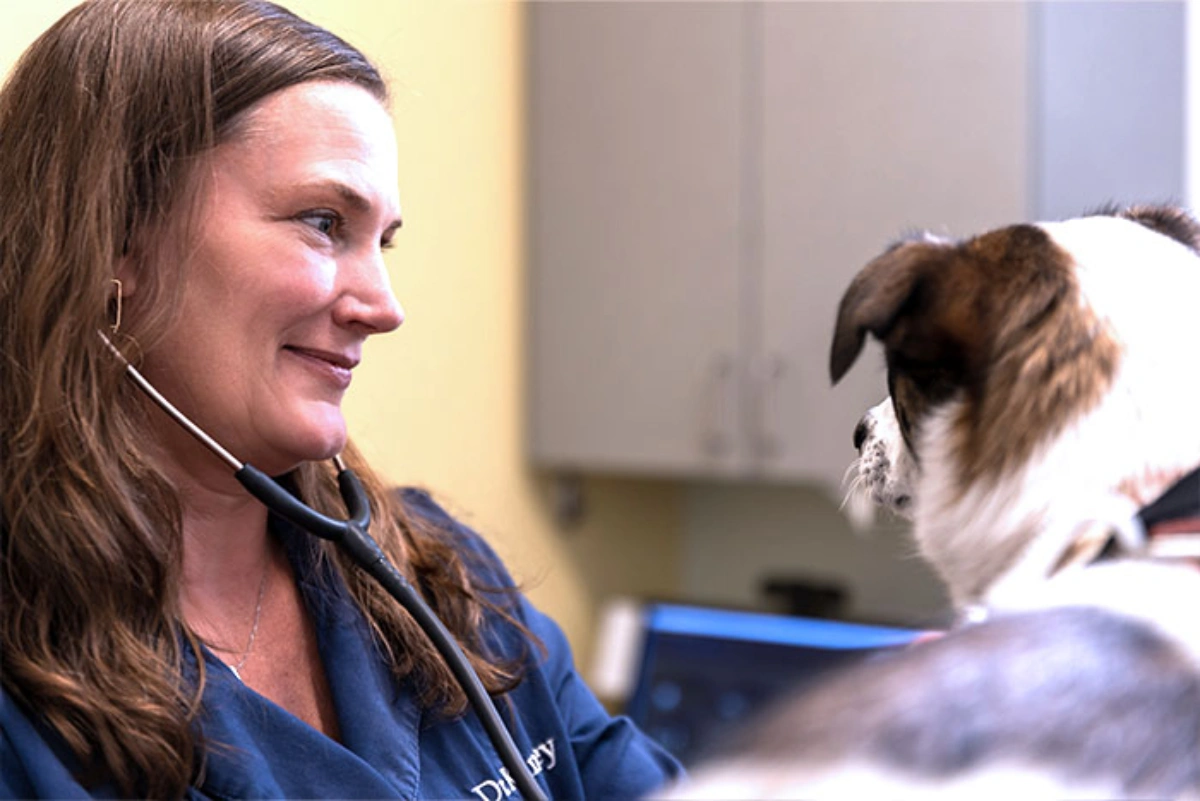
Some international health certificates must be issued by a USDA-accredited veterinarian.
A USDA-accredited veterinarian is a licensed veterinarian who has completed additional training and received authorization from the U.S. Department of Agriculture to perform certain official animal health duties, including preparing international travel certificates.
Some countries also require USDA endorsement, which is a separate process in which the USDA reviews and officially approves the completed certificate.
Some countries accept electronic health certificates, while others require original paper documents with handwritten signatures, sometimes called wet-ink signatures.
Oak Creek Small Animal Clinic has USDA-accredited veterinarians who can prepare the required veterinary certificates. Through our partnership with Petsfly, clients receive guidance about destination requirements, documentation, deadlines, and applicable endorsement arrangements.
Special Travel Requirements for Hawaii
Although Hawaii is part of the United States, it has strict animal entry requirements because the state is rabies-free.
Dogs and cats traveling to Hawaii generally need microchip identification, documentation of qualifying rabies vaccinations, and a passing rabies antibody blood test known as the FAVN test.
The FAVN test, short for Fluorescent Antibody Virus Neutralization, measures antibodies against rabies in your pet’s blood. Hawaii uses the results as part of its process for determining whether an animal qualifies for release without an extended quarantine.
Additional requirements include waiting periods, documentation deadlines, a veterinary health certificate, and tick treatment.
Pets that do not meet Hawaii’s entry requirements may be subject to quarantine.
Because the preparation process can take several months, review the Hawaii Department of Agriculture and Biosecurity’s Animal Quarantine Information well before your planned departure.
Traveling to Mexico with Dogs and Cats
Mexico has different entry requirements for dogs and cats, particularly concerning New World screwworm, a parasite whose larvae feed on living tissue.
Requirements for Dogs Entering Mexico
Dogs traveling from the United States to Mexico must meet the applicable New World screwworm inspection and certification requirements.
Under the requirements described in Oak Creek’s September 2026 travel checklist, dogs must be examined by a USDA-accredited veterinarian no more than five days before entering Mexico.
Importantly, the certificate issued before entering Mexico does not satisfy the separate screwworm certification requirement for returning to the United States. Dogs returning from Mexico must undergo another screwworm inspection within five days before entering the United States and obtain the required certification from an authorized veterinarian in Mexico.
Oak Creek Small Animal Clinic provides New World screwworm inspections and certificates for dogs traveling to Mexico.
For additional information, download our Traveling to Mexico with Your Dog: Your Round-Trip Checklist, which covers the requirements for both border crossings.
Requirements for Cats Entering Mexico
Under current USDA guidance, cats traveling from the United States to Mexico generally do not need a veterinary health certificate or New World screwworm inspection certificate for entry.
However, Mexican animal health officials may inspect cats upon arrival. Cats must appear healthy and be free of external parasites and fresh or healing wounds.
For the latest requirements for either species, visit the USDA APHIS Pet Travel to Mexico page.
Requirements for Returning to the United States
Travel preparations must also account for bringing your pet home. Federal entry requirements differ for dogs and cats.
Returning to the United States with a Dog
The Centers for Disease Control and Prevention (CDC) requires a CDC Dog Import Form for dogs entering or returning to the United States.
The form is completed online by the pet owner or importer. It is free, and the resulting receipt can be printed or displayed on a phone.
Dogs must also:
- Be at least six months old
- Appear healthy upon arrival
- Have a microchip detectable by a universal scanner
Additional requirements apply to dogs that have visited countries classified by the CDC as high-risk for dog rabies during the preceding six months.
USDA requirements may also apply, including New World screwworm certification for dogs returning from affected countries.
To review current requirements, visit the CDC Dog Import Requirements and USDA APHIS Bringing a Pet Dog Into the United States pages.
Returning to the United States with a Cat
Cats are not subject to the CDC Dog Import Form requirement.
The CDC requires cats entering the United States to appear healthy upon arrival. Cats showing signs of illness may require further veterinary examination.
The CDC does not require proof of rabies vaccination for cats entering the United States, although state and local regulations may have additional requirements.
For more information, visit the CDC’s Bringing an Animal Into the United States page and review the requirements for cats.
Why You Should Begin Preparing Months Before Travel
One of the most common mistakes pet owners make is assuming they can obtain all necessary travel documentation shortly before departure.
Some health certificates must be issued within a specified number of days before travel, but the preparation leading up to that appointment may take much longer. Depending on the destination, your pet may need vaccinations, laboratory tests, waiting periods, or government endorsements that require several weeks or months to complete.
Understanding Pet Travel Quarantine Requirements
Some countries require pets to undergo quarantine even when all entry requirements have been met. Quarantine is a period during which an animal is kept under controlled conditions to reduce the risk of introducing diseases into a country.
Other destinations allow pets to enter without quarantine when required vaccinations, testing, and documentation have been completed correctly.
Missing paperwork, incorrect vaccination dates, mismatched microchip information, or incomplete health certificates can result in unexpected quarantine, denied entry, or a requirement to return the pet to its country of departure. In some countries, euthanasia is also a legally permitted consequence when a pet fails to meet entry requirements and other options are unavailable or cannot be arranged. Although uncommon, this possibility underscores the importance of preparing well before departure.
For destinations with particularly strict requirements, preparation may need to begin six months or more before travel. Quarantine arrangements may also need to be made in advance.
Understanding whether quarantine is mandatory, conditional, or avoidable is an important part of planning an international trip with your pet.
How Oak Creek Small Animal Clinic and Petsfly Help With Pet Travel
Oak Creek Small Animal Clinic provides veterinary examinations, vaccinations, testing, and health certificates for interstate and international travel, including travel to Mexico.
We partner with Petsfly, a pet travel documentation service that helps clients navigate the requirements for their destination.
Petsfly assists with identifying necessary vaccinations, testing, certificates, documentation, and deadlines. The service also coordinates certificate preparation and applicable USDA endorsement arrangements with our veterinary team.
Our USDA-accredited veterinarians perform the required medical services and issue veterinary health certificates.
Because international travel requirements can change without notice, pet owners should also verify current regulations through the appropriate government authorities.
Contact Oak Creek Small Animal Clinic as soon as you begin planning your trip. Our team can connect you with Petsfly to begin planning your pet’s travel requirements and schedule the necessary veterinary examinations, vaccinations, testing, and health certificates.