
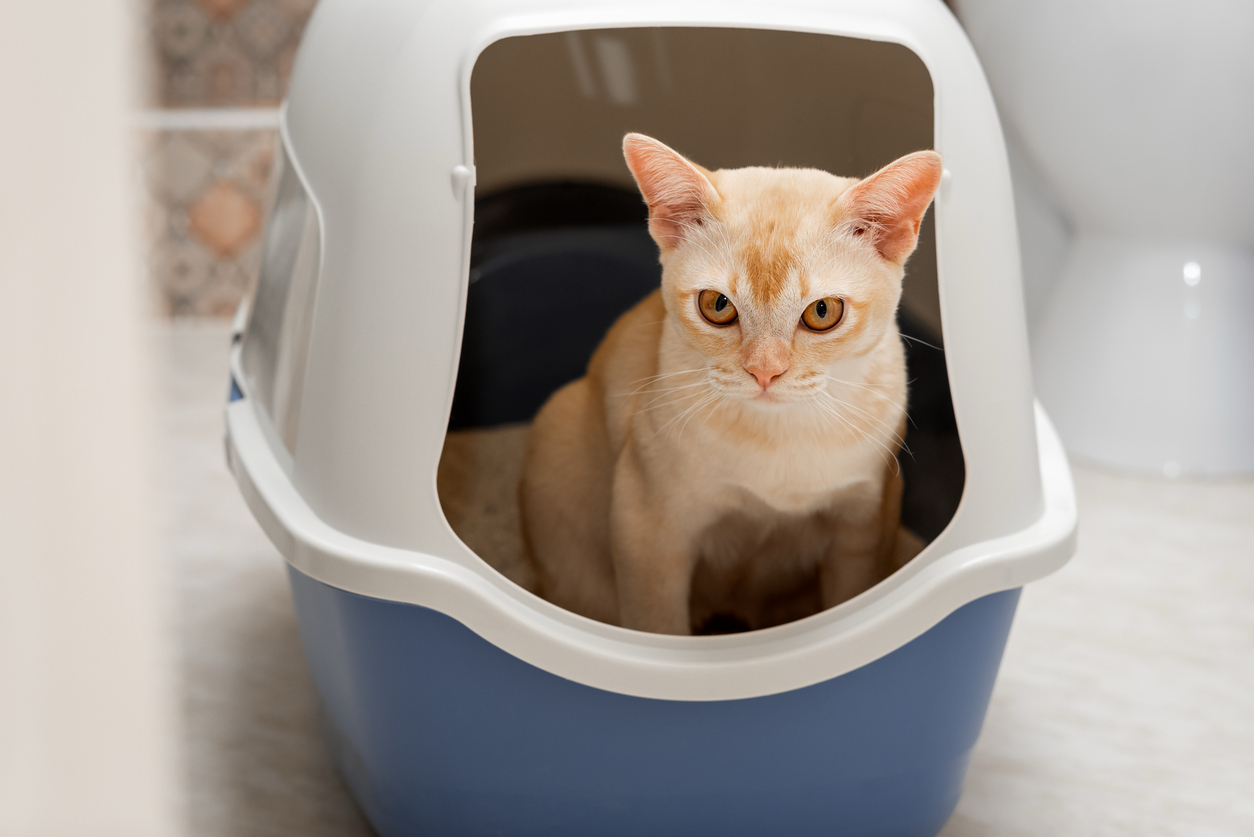
If your cat is suddenly making frequent trips to the litter box, straining to urinate, or urinating outside the box, you may wonder if your cat has a urinary tract infection (UTI).
These changes can signal a problem with your cat’s urinary tract, but a UTI is only one possible cause. Bladder inflammation, urinary crystals or stones, and other urinary conditions can cause similar signs. Some conditions can also lead to a complete urinary blockage, which is a life-threatening emergency.
Understanding the signs of cat UTIs and other urinary problems, and when your cat needs veterinary attention, can help you respond quickly and keep your cat healthy.
What Are the Signs of Urinary Problems in Cats?
Changes in your cat’s litter box habits may be among the first signs of a urinary problem. Watch for:
- Frequent trips to the litter box
- Straining to urinate
- Passing only small amounts of urine
- Blood in the urine
- Crying or vocalizing while urinating
- Licking the genital area more than usual
- Urinating outside the litter box
You may also notice changes in your cat’s behavior, such as hiding, decreased appetite, or lethargy.
These signs are often what pet owners think of as cat UTI symptoms. However, they do not necessarily mean your cat has a urinary tract infection. Several urinary conditions can cause similar symptoms, which is why veterinary evaluation is important for determining the cause.
A cat that repeatedly enters the litter box and strains can sometimes appear to be constipated when the problem is actually urinary. Pay particular attention to whether your cat is producing urine. Repeated attempts to urinate with little or no urine can indicate a blockage and require immediate veterinary attention.
What Can Cause Urinary Symptoms in Cats?
Several conditions can affect the bladder and urethra, the tube that carries urine out of the body. Veterinarians sometimes use the term feline lower urinary tract disease (FLUTD) to describe this group of urinary disorders.
The Cornell Feline Health Center provides additional information about feline lower urinary tract disease and the different conditions that can affect a cat’s bladder and urethra.
Urinary Tract Infections
A urinary tract infection occurs when bacteria, often from the skin or gastrointestinal area, enter through the urethra and travel into the bladder, where they multiply and cause inflammation and infection.
If a bacterial infection is suspected, testing the urine can determine whether bacteria are present and help guide treatment.
Feline Idiopathic Cystitis
Feline idiopathic cystitis (FIC) is inflammation of the bladder for which another specific cause cannot be identified. The word “idiopathic” simply means that the exact cause is unknown.
FIC is one of the most common causes of urinary symptoms in cats. UC Davis reports that it accounts for approximately two-thirds of cats seen by veterinarians for lower urinary tract signs.
Stress appears to play an important role in FIC. Changes in the home, feeding routines, other animals in the household, and other environmental stressors can contribute to symptoms in susceptible cats. Reducing stress and providing environmental enrichment can be an important part of managing the condition.
Urinary Crystals and Stones
Minerals in the urine can form crystals and sometimes develop into stones. Stones can irritate the bladder and urinary tract, causing pain, inflammation, blood in the urine, and difficulty urinating.
Two common types of urinary stones in cats are struvite and calcium oxalate. Treatment depends in part on the type of stone. Some struvite stones can be dissolved with a veterinarian-prescribed diet, while calcium oxalate stones cannot be dissolved through dietary changes and may require removal.
Crystals, stones, and inflammatory material can also contribute to a blockage of the urethra. A blockage can prevent urine from leaving the bladder and quickly become an emergency.
A Urinary Blockage Is an Emergency
A urinary blockage can occur when stones, crystals, mucus, inflammatory material, or a combination of these substances obstruct the urethra. Inflammation and swelling of the urethra can also contribute to the blockage.
Male cats are at greater risk because their urethra is longer and narrower than a female cat’s, making it easier for the passageway to become blocked.
At first, a blocked cat may show signs like those caused by other urinary problems. You may notice repeated trips to the litter box, straining, crying, restlessness, excessive licking, or only a few drops of urine.
As the obstruction continues, the cat can become increasingly distressed and may begin hiding, vomiting, becoming weak, or acting lethargic.
When the urethra is completely blocked, urine cannot leave the body. The kidneys can no longer properly remove toxins from the blood or maintain normal fluid and electrolyte balance. Cornell reports that a complete urinary obstruction can become fatal in less than 24 to 48 hours if it is not relieved.
If your cat is repeatedly trying to urinate and producing little or no urine, do not wait to see whether the problem improves. Seek immediate veterinary care.
How Do We Diagnose Cat Urinary Problems?
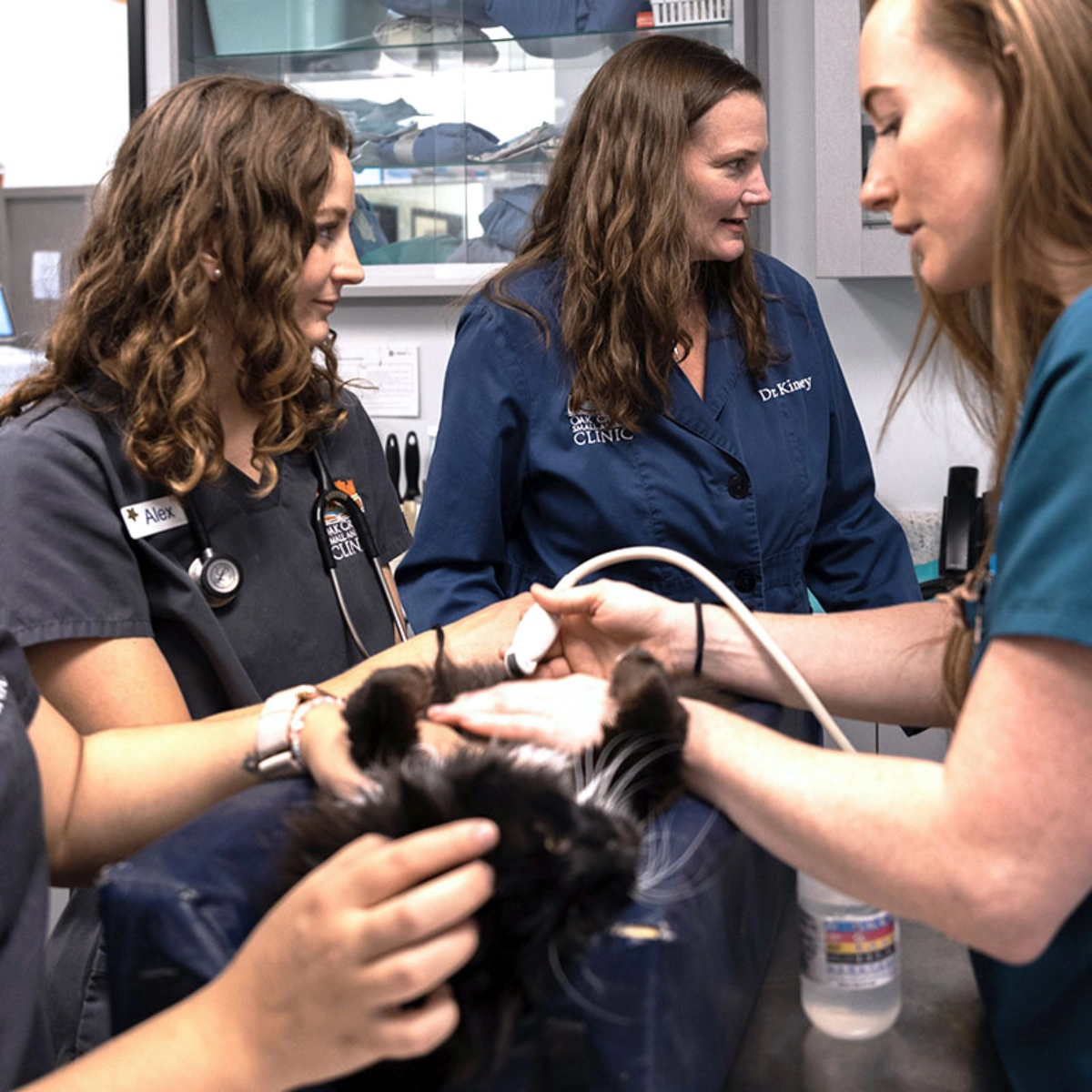
An examination and diagnostic testing can help our veterinarians determine what is causing your cat’s urinary symptoms.
A urinalysis can provide information about your cat’s urine and identify abnormalities such as blood, crystals, or other changes. If a bacterial infection is suspected, a urine culture can determine whether bacteria are present and help identify the appropriate antibiotic.
Depending on your cat’s symptoms and examination findings, additional testing may include:
- Blood tests, when indicated, to check kidney function, electrolyte levels, or other health concerns that may be related to your cat’s urinary problem
- X-rays to look for certain urinary stones or other abnormalities
- Ultrasound to examine the bladder and other structures within the abdomen
Our veterinarians determine which diagnostics are appropriate based on your cat’s symptoms, examination, and initial findings.
How Are Cat Urinary Problems Treated?
Treatment depends on what is causing the urinary symptoms.
A bacterial urinary tract infection may require antibiotics. Cats with feline idiopathic cystitis may need treatment to relieve discomfort along with changes at home to reduce stress and increase water intake.
Urinary stones may require a prescription diet or removal, depending on the type, size, and location of the stones.
A cat with a urethral obstruction requires emergency treatment to restore urine flow. Treatment commonly involves passing a urinary catheter to relieve the obstruction, along with supportive care to address dehydration or potentially dangerous electrolyte abnormalities.
Ways You Can Help Prevent Urinary Problems in Cats
Not every urinary problem can be prevented, but there are things you can do to support your cat’s urinary health:
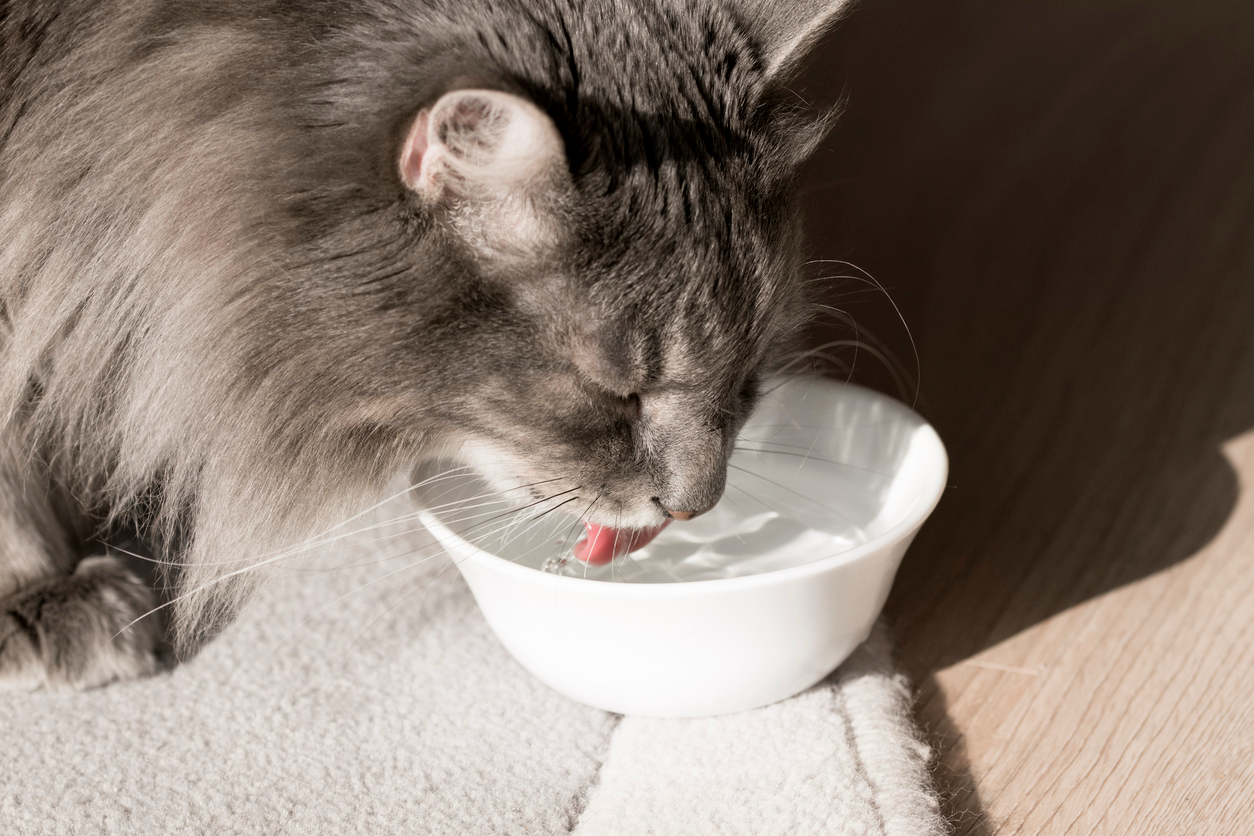
- Encourage water intake. Keep fresh water available in several locations around your home. Wet food can also increase your cat’s overall water intake.
- Keep water bowls and fountains clean. Refill bowls with fresh water regularly and clean fountains according to the manufacturer’s directions. If a bowl or fountain develops a slimy film, it has gone too long without being thoroughly cleaned.
- Keep litter boxes clean and accessible. Place boxes in quiet areas where your cat feels comfortable using them. In a multi-cat household, a general guideline is to provide one more litter box than the number of cats in the home.
- Help your cat maintain a healthy weight. Regular activity can help with weight management and support overall health.
- Reduce stress and provide enrichment. This can be particularly important for cats prone to feline idiopathic cystitis. Provide opportunities to play, climb, scratch, hide, and engage in normal cat behaviors.
If your cat has previously had crystals, stones, or another urinary condition, talk with our veterinarians before making dietary changes. Recommendations can vary depending on the underlying condition.
Do Not Ignore Changes in Your Cat’s Litter Box Habits
A cat that suddenly begins urinating outside the litter box is not necessarily having a behavioral problem. Pain or discomfort associated with the urinary tract can cause a cat to change where or how often they urinate.
If you notice changes in your cat’s urination or litter box habits, contact Oak Creek Small Animal Clinic. Our veterinarians can determine whether your cat has a UTI or another urinary condition and recommend treatment based on the cause.
If your cat is repeatedly straining and producing little or no urine, treat it as a medical emergency.