
Summer in Sedona often means patio meals, backyard grilling, hiking adventures, Jeep outings, road travel, and frozen treats to help people cool off in the Arizona heat. During these activities, pets may have more opportunities to get into foods they normally would not encounter.
At Oak Creek Small Animal Clinic, we see a variety of summer food risks for pets. Some pets eat rich foods, desserts, or toxic ingredients that can lead to digestive upset, poisoning, or pancreatitis. Others swallow items such as corn cobs or fruit pits that can create choking hazards or intestinal blockages.
Knowing which foods are safe — and which foods can create serious summer food risks for pets — can help keep dogs and cats healthy all season long.
Backyard Cookouts and Patio Foods That Can Be Dangerous for Dogs and Cats
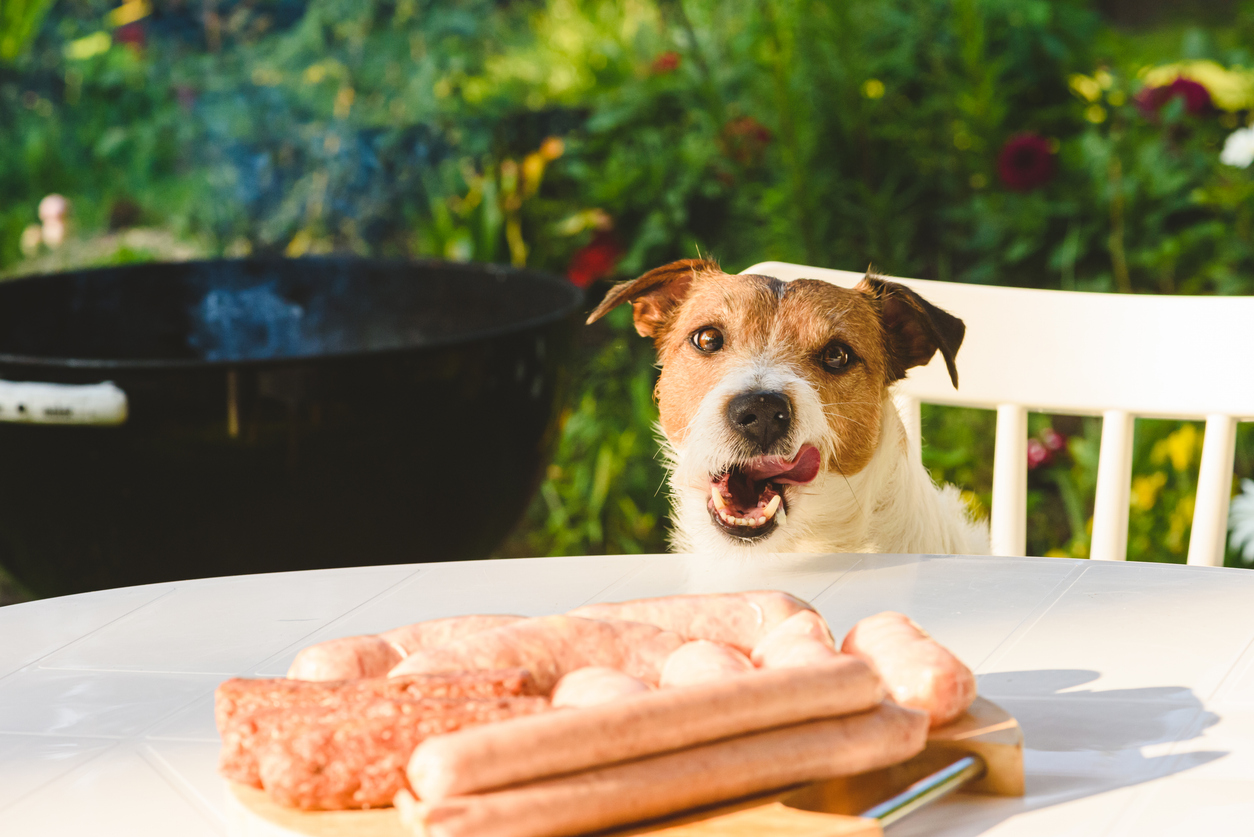
Cookouts, barbecues, and outdoor meals are a big part of summer, but your favorite foods can be unsafe for pets.
Common summer food risks for pets include:
- Fatty meats such as burgers, ribs, sausage, bacon, and hot dogs
• Bones from chicken, steak, or ribs
• Corn cobs
• Greasy leftovers
• Barbecue sauces and marinades
• Foods made with onions, garlic, or chives (raw, cooked, or powdered)
Fatty Foods and Pancreatitis Risks
Grilled meats, sauces, and marinades can create several different food risks for pets. Fatty foods such as burgers, ribs, sausage, bacon, hot dogs, and greasy leftovers may trigger digestive upset or pancreatitis in some dogs and cats.
Pancreatitis is inflammation of the pancreas and can develop suddenly, sometimes within hours to a day after eating a rich or fatty food. It may cause severe abdominal pain, repeated vomiting, dehydration, and, in some cases, hospitalization or life-threatening complications.
Onion, Garlic, and Allium Toxicity
Many grilled foods, barbecue sauces, and seasonings also contain onion, garlic, or chives. Garlic is the most potent member of the Allium family and is about five times more toxic than onions or leeks.
Onion, garlic, and related Allium ingredients can damage red blood cells in dogs and cats, reducing the blood’s ability to carry oxygen. This may lead to anemia, weakness, lethargy, pale gums, breathing changes, collapse, or digestive upset. Cats are especially sensitive, and some dog breeds, including Akitas and Shiba Inus, may be more susceptible.
Bones and Corn Cob Hazards
Bones and corn cobs are additional concerns. Bones can splinter and injure the digestive tract or create choking hazards. Corn cobs are a well-recognized summer food hazard for dogs because some dogs may swallow them whole. They can become lodged in the stomach or intestines, blocking the digestive tract and sometimes requiring emergency surgery.
Hidden Summer Food Risks for Pets: Grapes, Xylitol, and Other Toxic Foods
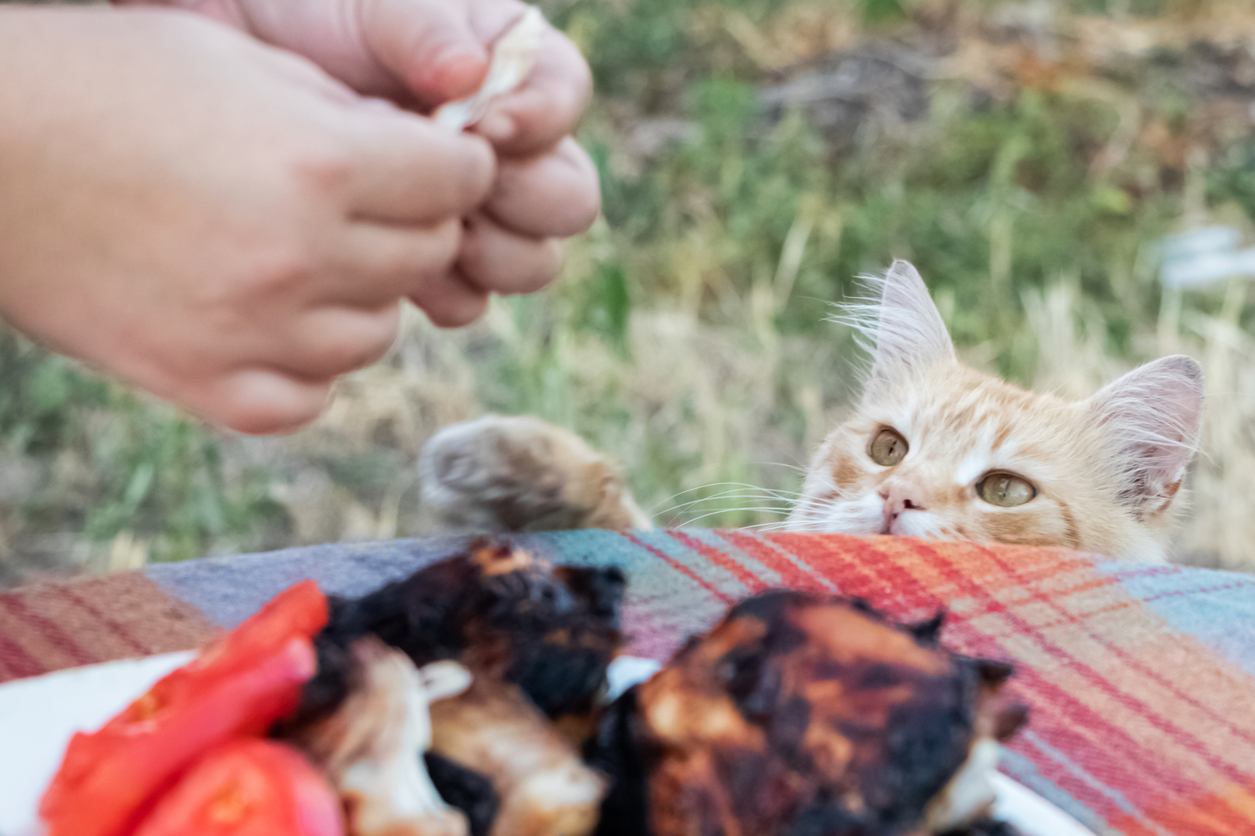
Fruits: Not All Summer Fruits Are Safe for Pets
Summer fruits may seem like a healthy snack, but not all fruits are safe for dogs and cats.
Grapes and raisins can cause sudden kidney failure in dogs, sometimes after eating surprisingly small amounts. Symptoms may include vomiting, lethargy, increased thirst, abdominal pain, or reduced urination.
Dates, apples, cherries, peaches, plums, apricots, and nectarines raise different concerns. Their sugar and fiber content may cause digestive upset in some pets, while pits, seeds, and cores can create choking hazards or intestinal blockages. Apple seeds and pits from fruits such as cherries, peaches, plums, apricots, and nectarines contain compounds that can release cyanide if crushed or chewed.
Rotting fruit left outdoors can ferment and upset a pet’s stomach. In rare cases, fermented fruit may expose pets to alcohol.
Xylitol: Hidden in Sugar-Free, Keto, and Protein Snacks
Xylitol is another major concern. It may be found in sugar-free gum, candies, desserts, baked goods, protein products, electrolyte chews, gummies, and some peanut butters.
In dogs, xylitol can trigger a rapid, dangerous drop in blood sugar, sometimes within 30–60 minutes. Signs may include weakness, vomiting, collapse, seizures, liver failure, or death.
While cats do not appear to react to xylitol the same way dogs do, products containing xylitol should still be kept away from all pets.
Chocolate and Alcohol Risks
Chocolate and alcohol are common concerns during cookouts, vacations, celebrations, and summer gatherings.
Chocolate contains compounds called methylxanthines, which can affect the nervous system and heart. Depending on the type and amount eaten, chocolate exposure may cause vomiting, diarrhea, hyperactivity, increased heart rate, tremors, seizures, or more severe complications.
Alcohol can depress the nervous system and affect breathing, coordination, body temperature, and blood sugar.
Pets should never have access to alcoholic beverages, alcohol-containing desserts, fermenting foods, or spilled drinks left unattended.
Frozen Treats and Summer Desserts
Arizona summers naturally make people think about cold drinks, fruit, and frozen treats, but not every cool snack is safe for dogs and cats.
Ice cream, whipped cream, and rich dairy treats may cause digestive upset because many pets have difficulty digesting dairy products. Desserts are often high in fat, increasing the risk of pancreatitis in sensitive pets.
If you want to offer a cool summer treat, safer options may include:
- Small pieces of seedless watermelon
• Frozen blueberries
• Commercial frozen treats made for dogs or cats
• Pet-safe treats frozen at home, such as canned pet food in a treat toy or lick mat
Hiking, Travel, Visitors, and Pet Sitters
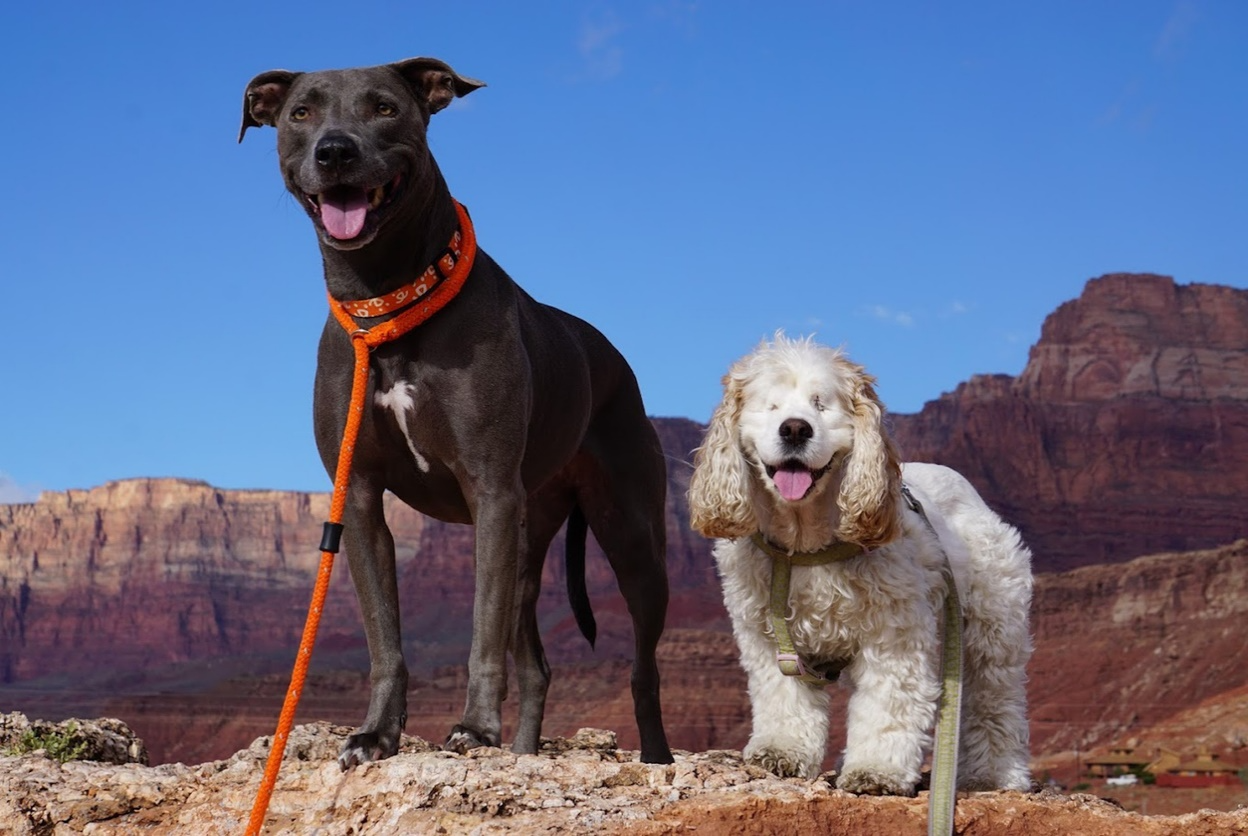
Sedona’s outdoor lifestyle often means hiking, camping, road travel, vacation rentals, and visitors from out of town.
Pets may be exposed to unfamiliar foods or receive treats from well-meaning people who do not know their dietary restrictions.
Leaving clear feeding instructions for pet sitters, family members, or houseguests can help reduce summer food risks for pets.
Helpful reminders include:
- Do not share table scraps or trail snacks with pets
• Keep coolers, picnic foods, and garbage secured
• Avoid leaving plates unattended outdoors
• Watch for dropped food during travel, gatherings, or outdoor meals
If your pet joins you on hikes, road trips, or summer adventures, you may also enjoy our related blog on preparing pets for travel, boarding, and hot-weather outings: Pet Boarding and Travel Checklist.
Signs Your Pet May Have Eaten Something Unsafe
Contact your veterinarian or pet poison control if your pet develops symptoms such as:
- Vomiting
• Diarrhea
• Drooling
• Loss of appetite
• Lethargy or weakness
• Abdominal pain
• Difficulty breathing
• Repeated attempts to vomit
• Collapse
Quick action can make a major difference if poisoning, pancreatitis, or intestinal blockage is involved.
If your pet may have eaten something toxic or hazardous, do not wait for symptoms to appear. Some toxicities and intestinal problems may show delayed signs. Treat it as a potentially urgent situation. Checking the ingredient label, food packaging, or product information and calling your veterinarian or pet poison control promptly can help determine the safest next steps.
For more information about toxic foods and poisoning emergencies, visit Pet Poison Helpline.
Helping Protect Pets This Summer
Summer should be enjoyable for both pets and their families. A little extra caution around cookouts, frozen treats, hiking trips, patio dining, and summer gatherings can go a long way toward reducing summer food risks for pets.
If you have questions about unsafe foods or believe your pet may have eaten something harmful, contact Oak Creek Small Animal Clinic in Sedona, Arizona. Our team is here to help keep your pets safe, healthy, and enjoying summer alongside your family.
Frequently Asked Questions About Unsafe Summer Foods for Pets
Can cooked bones ever be safe for dogs?
Cooked bones can actually splinter easily. Bone fragments may become a choking hazard or cause injuries to the mouth, stomach, or intestines. If you want to give your dog a chew item, ask your veterinarian about safer alternatives.
Should I induce vomiting if my pet eats something unsafe?
Do not automatically try to make your pet vomit. Some substances and objects can cause additional injury if vomited back up. Contact your veterinarian or pet poison control first for guidance. A veterinarian can help determine whether vomiting is appropriate and how urgently your pet needs care.
Are “natural” sweeteners safer for pets than artificial sweeteners?
“Natural,” “keto,” and sugar-free products may still contain unsafe ingredients such as xylitol. Always read ingredient labels before sharing foods with pets. Play it safe and only give your pet foods and treats made for pets.
Are protein bars, trail snacks, and energy foods safe for dogs on hikes or road trips?
Protein bars, trail mixes, nut butters, gummies, and energy snacks may contain unsafe ingredients such as xylitol, chocolate, raisins, caffeine, or excess fat. When hiking or traveling with your pet, pack treats specifically MADE for pets rather than sharing foods from your backpack or cooler.
Can pets eat watermelon rinds or fruit skins?
While small amounts of seedless watermelon flesh may be tolerated by some pets, rinds and thick fruit skins can be difficult to digest and may create choking hazards or intestinal upset.
What information should I have ready before calling pet poison control?
If possible, have the food packaging, ingredient list, estimated amount eaten, approximate time of exposure, and your pet’s weight available. This information can help your veterinarian or pet poison control provide faster, more accurate guidance.