


Living in Sedona, it is easy to feel like mosquitoes are not a major concern. Arizona’s dry climate does limit mosquito populations compared to more humid regions, which can make the overall risk seem lower.
However, even in dry areas, mosquitoes can still be present in small, often overlooked spaces such as irrigated yards, shaded areas, and temporary standing water after seasonal rains. Because it only takes a single mosquito bite to transmit heartworm, understanding this risk is an important part of protecting your pet’s health. At Oak Creek Small Animal Clinic, we encourage pet owners to include heartworm prevention in Sedona AZ as part of routine care.
What Is Heartworm Disease?
Heartworm disease is caused by parasitic worms that live in the heart, lungs, and blood vessels of infected animals. It spreads through the bite of an infected mosquito. Once inside the body, larvae mature into adult worms that interfere with normal heart and lung function.
Dogs are most commonly affected, but cats can also become infected.
Why Heartworm Is Still a Risk in Sedona
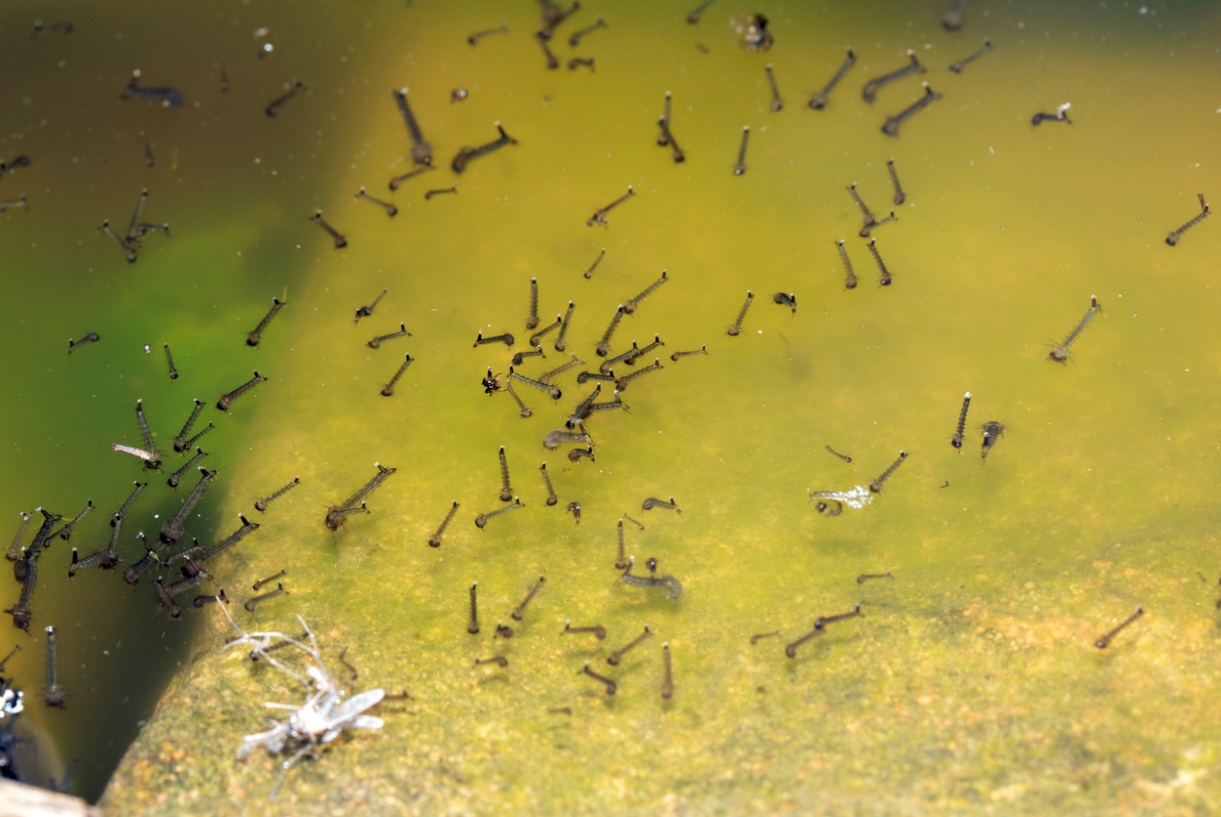
Sedona’s dry climate reduces mosquito populations—but it does not eliminate them. Mosquitoes tend to gather in areas where water is available.
Common sources include:
- Irrigation systems and landscaped yards
- Pet water bowls left outdoors
- Birdbaths and decorative water features
- Shaded patios and garden areas
- Temporary standing water during monsoon season (June 15-September 30)
These are often right outside the home, which means pets may be exposed even when mosquitoes aren’t obvious. This is why veterinarians continue to recommend heartworm prevention in Sedona AZ.
How Pets Get Heartworm
When a mosquito bites an infected animal, it picks up microscopic larvae. When that mosquito bites another pet, the larvae enter the bloodstream and develop over several months into adult worms that live in the heart and lungs.
By the time symptoms appear, the disease is often already advanced.
Symptoms of Heartworm in Dogs and Cats
Dogs:
- Persistent cough
- Fatigue after activity
- Weight loss
- Difficulty breathing
- In severe cases, heart failure
Cats:
- Coughing or asthma-like symptoms
- Vomiting
- Decreased appetite
- Sudden collapse in rare cases
Cats may show subtle or sudden signs, and there is no widely accepted treatment to eliminate heartworms in cats once infected.
Why Heartworm Prevention in Sedona AZ Is So Important
While Sedona is often thought of as a dry desert, the mix of desert and forested areas creates shaded, moist environments where mosquitoes can still thrive. In addition, Oak Creek runs year-round, providing a consistent water source that supports mosquito activity.
Seasonal monsoon storms can also create temporary standing water, further increasing mosquito breeding opportunities throughout the area.
Heartworm disease is far easier to prevent than to treat.
For dogs:
- Treatment is lengthy and requires multiple visits
- Activity must be restricted
- There is a risk of complications
For cats:
- There is no safe treatment to eliminate adult worms
- Care focuses on managing symptoms
Preventive medications are safe, effective, and far less stressful. This makes heartworm prevention in Sedona AZ an important part of ongoing care.
Common Misconceptions About Heartworm
- “It’s too dry for mosquitoes here.”
The dry climate reduces mosquitoes but does not eliminate them. They often exist in small, localized areas around homes. - “My pet stays indoors.”
Mosquitoes can enter homes, especially during warmer months. - “Heartworm is only a summer issue.”
Prevention works best when given consistently year-round.
According to the American Heartworm Society, heartworm disease has been diagnosed in all 50 states, including Arizona, reinforcing the importance of consistent prevention regardless of climate.
When to See the Veterinarian

Schedule a visit if:
- Your pet is not on prevention
- You have missed doses
- You notice changes in breathing, energy, or appetite
- Your pet is due for routine testing
Oak Creek Small Animal Clinic works with pet owners in Sedona and nearby communities to create prevention plans tailored to each pet.
Protecting Your Pet Year-Round
Even in a dry climate, heartworm remains a preventable but serious disease. With consistent care and guidance, protecting your pet can be simple and effective.
If you have questions about heartworm prevention in Sedona AZ or would like to schedule testing or preventive care, Oak Creek Small Animal Clinic is here to help.
FAQ Section
Do dogs in Sedona need heartworm prevention year-round?
Yes. Even with lower mosquito activity, year-round prevention helps protect against unexpected exposure.
Can indoor pets get heartworm?
Yes. Mosquitoes can enter homes, which means indoor pets are still at risk.
How often should my pet be tested for heartworm?
Dogs are typically tested once a year, even if they are on prevention.
How much water does it take for mosquitoes to develop?
Very little. Even a small amount of water—such as in a bottle cap, plant saucer, or shallow container—can support mosquito larvae.
Where can I likely find mosquitos around my home?
Typical areas include pet water bowls, birdbaths, gutters, plant containers, and irrigated landscaping.
What time of year are mosquitoes most active in Arizona?
Activity increases in warmer months and during monsoon season, but exposure can occur at other times as well.
If my pet misses a dose of heartworm prevention, what should I do?
Contact your veterinarian. They may recommend restarting prevention and possibly testing.
Can cats get heartworm in Arizona?
Yes. Cats can become infected, and even a small number of worms can cause serious respiratory problems. Prevention should be discussed with your veterinarian.