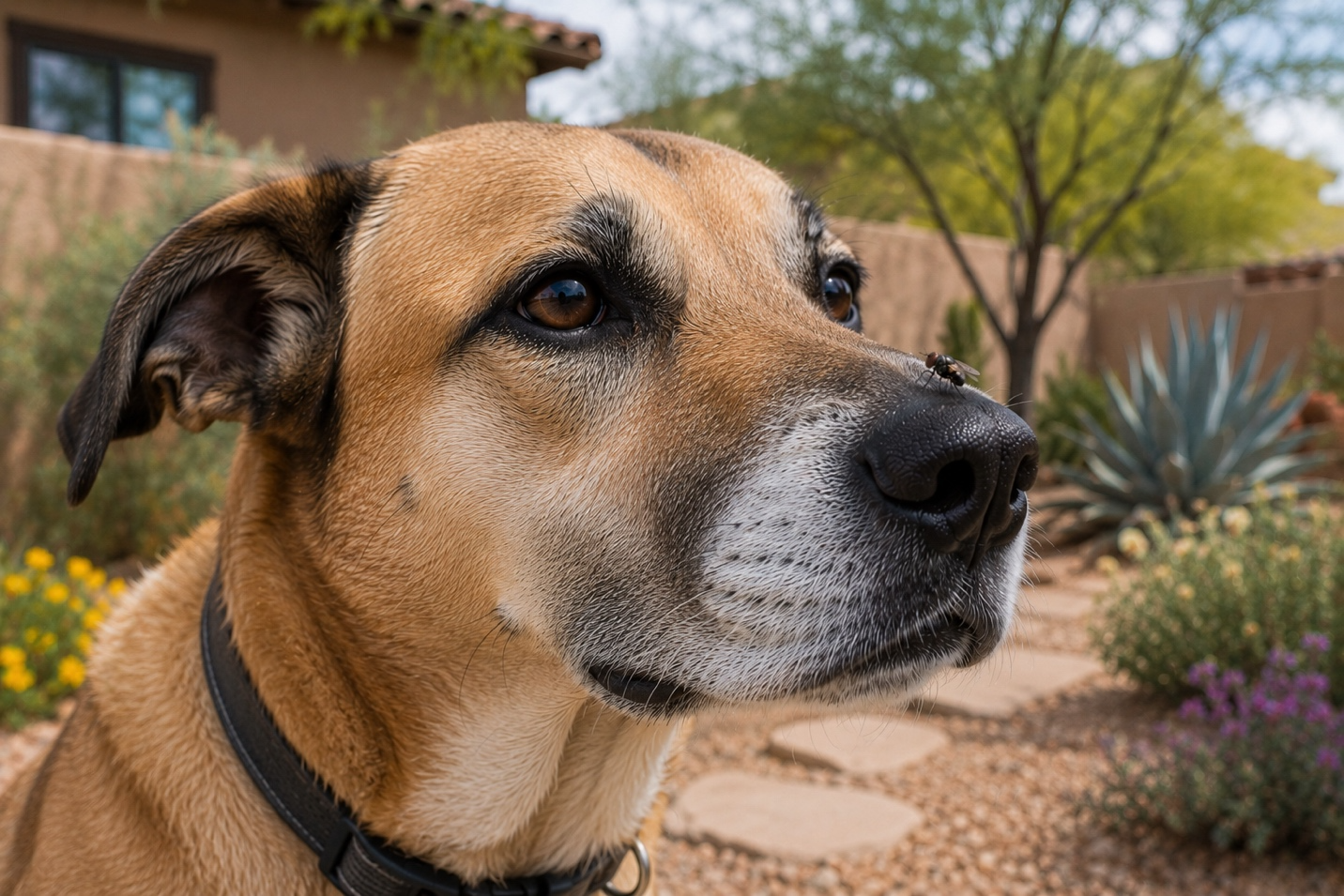
Most cuts, scrapes, and skin irritations heal without complications. However, when a wound is ignored or fails to heal properly, it can create opportunities for infection and other health concerns.
Recent detections of New World screwworm in Texas and New Mexico have highlighted the importance of monitoring wounds and seeking veterinary care when healing does not progress as expected.
At Oak Creek Small Animal Clinic, we help Sedona-area pet owners protect their animals through preventive care, early diagnosis, and treatment. Knowing how to recognize a wound that is not healing properly can help prevent complications and support your pet’s overall health.
Why Are Animal Health Experts Paying Attention to Screwworms?
For decades, New World screwworm was considered eradicated from the United States. However, the parasite has been moving northward through Central America and Mexico in recent years. On June 3, 2026, the U.S. Department of Agriculture confirmed the first U.S. case in nearly 60 years when screwworm was detected in a calf in Texas.
Since then, additional cases have been identified in Texas and New Mexico, including a confirmed case in a dog. Although Arizona has no confirmed cases at this time, recent detections in neighboring states have increased awareness among veterinarians and animal health officials throughout the Southwest.
These detections have prompted increased monitoring efforts and renewed attention to the importance of wound care, fly control, and early detection.
If you would like additional information about the current status of New World screwworm in the United States, the USDA maintains updated information through its Stop Screwworm program.
What Is a Screwworm?
New World screwworm is a parasitic fly that lays its eggs in open wounds and other openings on warm-blooded animals. Once the eggs hatch, the larvae burrow into living tissue and begin feeding.
Unlike ordinary maggots that feed on dead tissue, screwworm larvae feed on healthy, living tissue. Without treatment, they can cause significant tissue damage in a relatively short period of time.
The screwworm does not spread directly from animal to animal. An infestation requires both an open wound and exposure to the fly. That means pet owners have more control than many of the headlines suggest.
Good wound care and prompt attention to skin injuries remain some of the best ways to reduce risk.
Types of Wounds That Deserve Attention
To many, a wound is an obvious injury, such as a cut or scrape. However, wounds can take many forms, including:
- Hot spots (areas of inflamed and irritated skin)
- Bite wounds
- Surgical incisions
- Skin infections
- Areas of irritated or inflamed skin
- Draining wounds
- Cuts and abrasions
Even small wounds can become problematic if they are not healing properly. Monitoring wounds closely allows pet owners to identify potential complications before they become more serious.
Outdoor Pets Face Additional Risks
Dogs and cats that spend time outdoors naturally encounter more opportunities for minor injuries. Active dogs may pick up scrapes while hiking, exploring trails, or playing outdoors. Cats that spend time outside may develop scratches, bite wounds, or skin injuries that are hidden beneath their fur.
Most of these wounds heal without issue, but they should still be monitored carefully. Changes in appearance, odor, swelling, or drainage should never be ignored.
Signs a Wound May Not Be Healing Properly
Because pets often hide discomfort, the earliest warning signs may be subtle. Contact Oak Creek Small Animal Clinic if you notice:
- A wound that worsens instead of healing
- A foul odor or unusual discharge
- Swelling or sensitivity that seems unusual
- Excessive licking or chewing
- A pet that seems lethargic, withdrawn, or not acting normally
- Visible larvae within a wound
Any wound that appears to be getting worse rather than better should be evaluated promptly.
What Should Pet Owners Do Right Now?
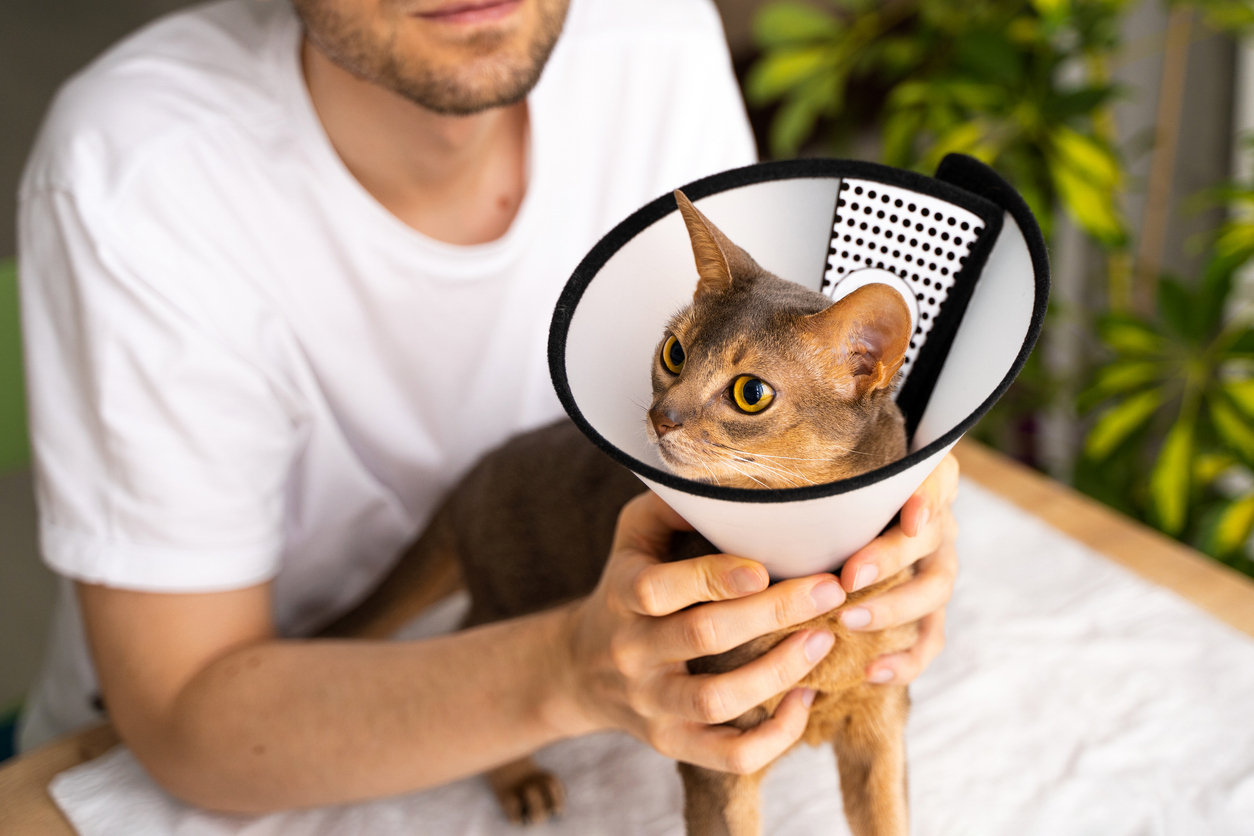
There are practical steps pet owners can take to help protect their animals:
- Keep dogs and cats current on veterinarian-recommended monthly parasite preventatives
- Check pets regularly for cuts, wounds, skin irritations, and hot spots
- Seek treatment promptly for wounds that are not healing normally
- Use appropriate fly-control measures around your home and property
- Monitor any healing wound closely for changes
Most importantly, do not ignore a wound that appears to be getting worse rather than better.
Traveling With Pets? Check Before You Go
Travel and movement requirements for animals are already changing as new screwworm cases are confirmed. Dogs and cats traveling across state lines or into Mexico may be subject to additional requirements depending on current regulations.
Because recommendations can change quickly, do not assume yesterday’s rules still apply today. If you are planning to travel with your pet, contact Oak Creek Small Animal Clinic before your trip so we can help you determine whether any current requirements may affect your plans.
Pet owners can also check the USDA Animal and Plant Health Inspection Service (APHIS) Pet Travel website for the latest travel requirements and updates.
If you plan to travel to or from Mexico with your dog, additional screwworm-related requirements may apply. Current information is available through the USDA APHIS Mexico Pet Travel page.
When Should You Contact Oak Creek Small Animal Clinic?
If a wound does not look right or is not healing the way it should or is getting worse, call us.
Early treatment is important because wound complications can progress quickly. Our team can evaluate the wound, determine the cause, and recommend appropriate treatment to protect your pet’s health and comfort.
Protecting Dogs and Cats in Sedona
The recent cases in Texas and New Mexico highlight the importance of monitoring wounds, maintaining parasite prevention, and staying consistent with fly control.
Whether your dog joins you on Sedona’s trails or your cat enjoys time outdoors at home, routine skin checks and prompt attention to wounds can help prevent complications and support faster healing.
At Oak Creek Small Animal Clinic, we are committed to helping Sedona-area pet owners keep their dogs and cats healthy. If you notice a wound that is not healing properly or have concerns about your pet’s health, contact our team. Early evaluation and treatment can make a significant difference.