
Bad breath in dogs and cats is easy to overlook, but it can be one of the earliest signs that something may be changing inside your pet’s mouth. According to the American Veterinary Medical Association (AVMA), most dogs and cats show signs of dental disease by age three, making early attention to oral health essential.
At Oak Creek Small Animal Clinic, we take dentistry very seriously. As the clinic emphasizes, “It isn’t just about shiny white teeth. We know that the health of the mouth affects the rest of the body.” Identifying dental changes early helps protect your pet’s comfort and long-term well-being.
While this blog focuses on bad breath in dogs and cats, birds and exotic pets also develop significant dental and oral conditions—and those are covered later in the article.
Why Dental Problems Cause Bad Breath
Bad breath usually begins with the buildup of plaque and tartar. Plaque forms as a soft film each day. If it is not removed, it hardens into tartar, creating a rough surface where bacteria easily attach.
These bacteria feed on plaque and tartar, releasing foul-smelling compounds that cause noticeable odor. As this continues, bacteria can irritate the gums, cause inflammation, and eventually lead to infection or pain.
Because dogs and cats instinctively mask discomfort, bad breath may become one of the first noticeable clues that dental disease is developing.
Signs of Dental Problems in Dogs and Cats
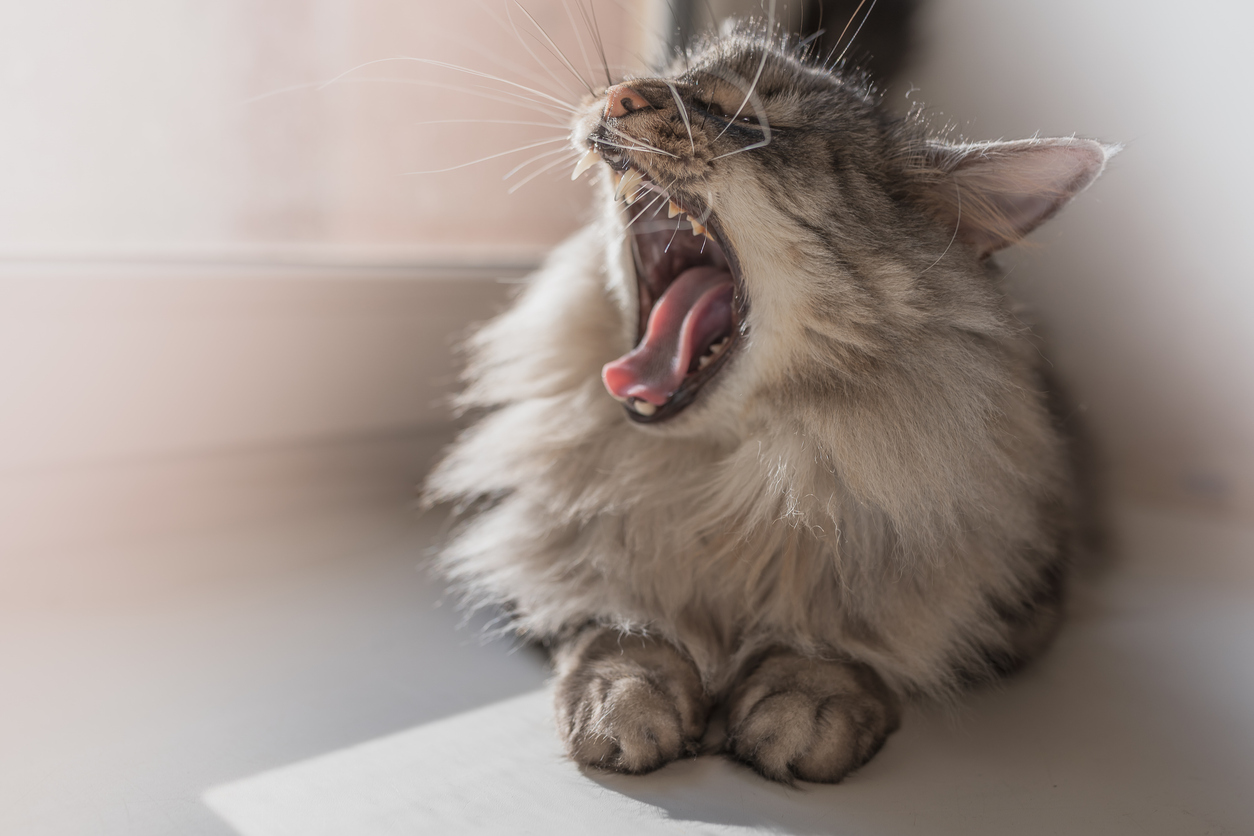
Pets cannot tell you when their mouth hurts, but their behavior often reveals subtle changes. Signs that may indicate a dental problem include:
- Sensitive, red, or inflamed gums
- Pawing at the face
- Persistent bad breath
- Extra or retained teeth
- Broken or damaged teeth
- Drooling or whining while eating
- Chewing differently or dropping food
- Reluctance or refusal to eat
- Discolored or loose teeth
- Bleeding along the gumline
- Swelling around the mouth
Could Something Other Than Dental Disease Cause Bad Breath?
Yes. Digestive issues, metabolic disease, and other health concerns can occasionally contribute to changes in breath. A dental exam helps determine whether the odor stems from the mouth or whether additional diagnostics may be beneficial.
Dental Concerns in Birds and Exotic Pets
Although this blog centers on dogs and cats, it is important to know that birds and exotic pets also develop oral health conditions, often without obvious changes in breath.
Rabbits, Guinea Pigs, Chinchillas, and Other Small Mammals
These species have continuously growing teeth, which makes them prone to sharp points, overgrown molars, and root issues. They rarely develop noticeable odor, so early signs include drooling, reduced appetite, dropping food, or avoiding harder foods.
Birds
Birds may develop beak overgrowth, misalignment, or injury. Subtle changes in chewing or eating are often the first signs.
Reptiles
Reptiles may develop mouth inflammation or infection (stomatitis). Appetite changes or decreased interest in food often appear first.
Oak Creek Small Animal Clinic evaluates birds and exotic pets as well, helping identify oral problems before they become severe.
How We Support Your Pet’s Dental Health
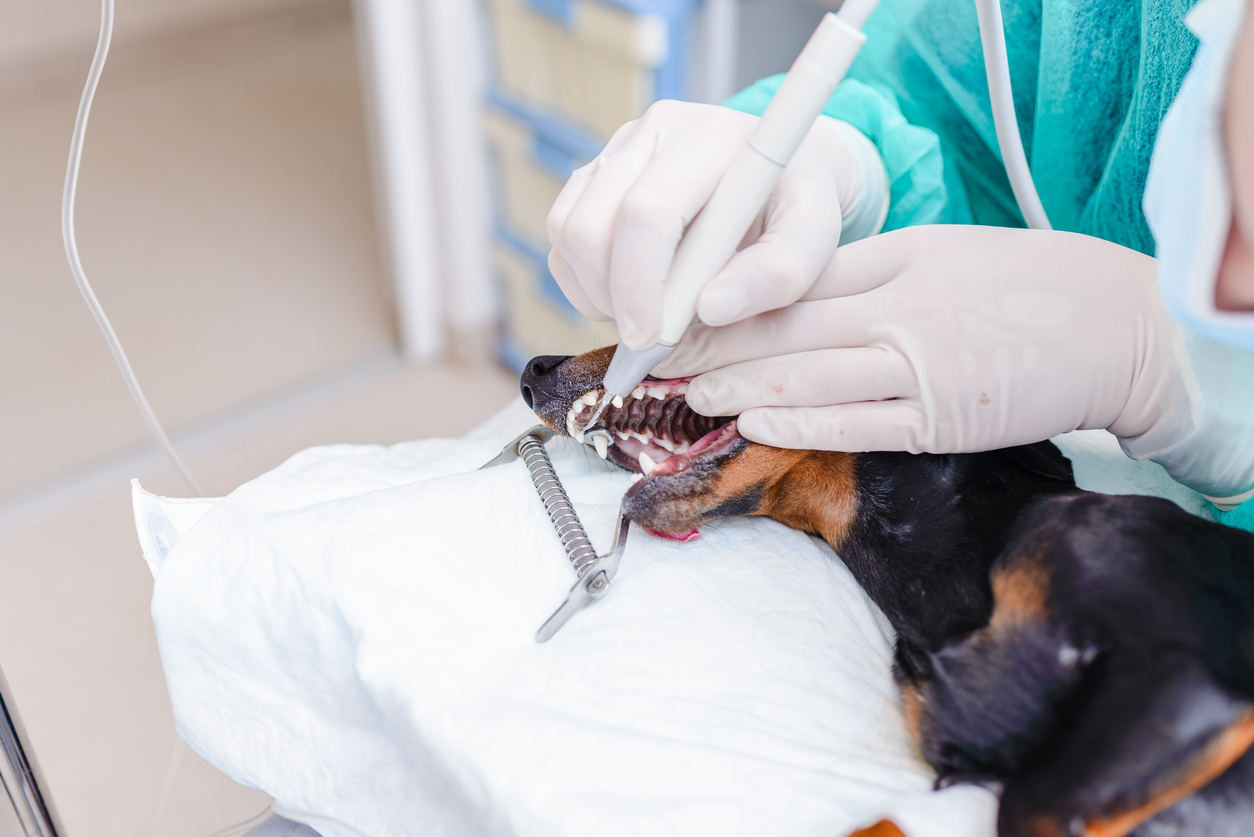
During a comprehensive dental examination, we assess every tooth for signs of gum inflammation, decay, or disease. When treatment is needed, Oak Creek Small Animal Clinic provides:
- Professional dog and cat teeth cleaning
- Ultrasonic polishing
- Fluoride treatments
- Dental X-rays
- Tooth extractions, when necessary
- Oral surgery
- Dental care education for dogs, cats, birds, and exotic pets
For additional at-home dental care tips, you can visit the AVMA’s Pet Dental Care page: Pet Dental Care.
Schedule a Dental Evaluation
Bad breath can be an early indicator of dental changes in dogs and cats, but it represents only part of your pet’s overall oral health. Dental and oral issues can progress quietly, even when pets continue eating normally, which is why early evaluation matters. For birds and exotic pets, oral problems may not involve dental disease, but changes in eating habits, chewing behaviors, or temperament can signal that something is wrong.
Whether you have noticed a change in your dog’s or cat’s breath, or your bird or exotic pet is showing subtle signs of oral discomfort, our team is here to help. Oak Creek Small Animal Clinic provides attentive, comprehensive care to support the oral and overall health of every species we treat.
A healthy mouth supports a healthier, more comfortable life, and we are here to help your pets enjoy both.